PER
+
FUME
"through"
in Latin
"smoke"
in Latin
The word “perfume” comes
from the practice of burning fragrant materials to release their scent.
In the past, people used scents in many forms including fragrant waters, oils, dry powders, thick ointments and incense.




HIstory of




FIt for the KIng
It was EdIble!
RItuals
IngredIents
Flowers
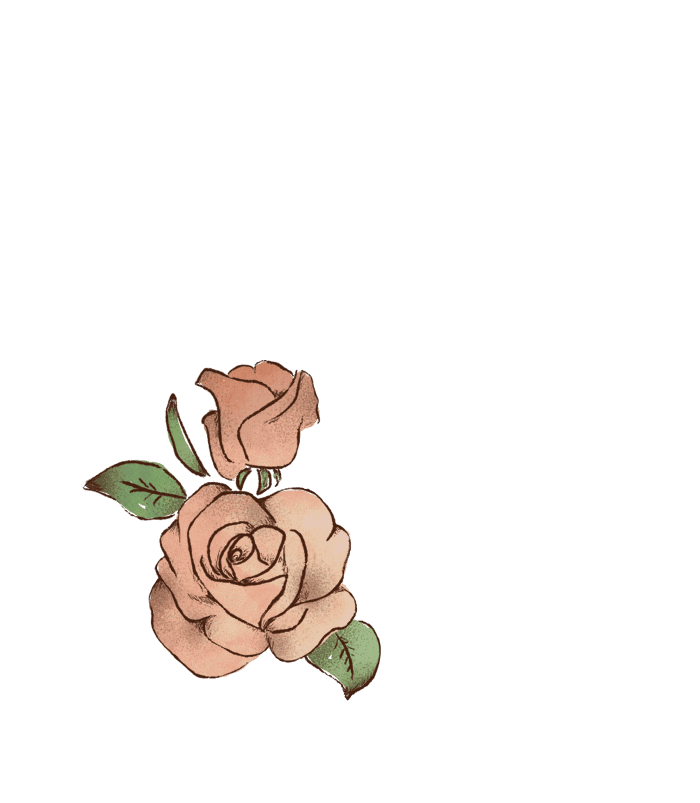
Rose oil, mentioned even in Homer’s Iliad, was one of the most valued floral perfumes in the Mediterranean. Iris and lilies were also highly prized for their delicate scents.
ResIns
Myrrh and balsam were among the most precious perfume ingredients, imported from the Near East, Arabia, and Africa.
Herbs
SpIces
Aromatic herbs were used to add fresh and complex notes to perfumes and were often blended with other ingredients.
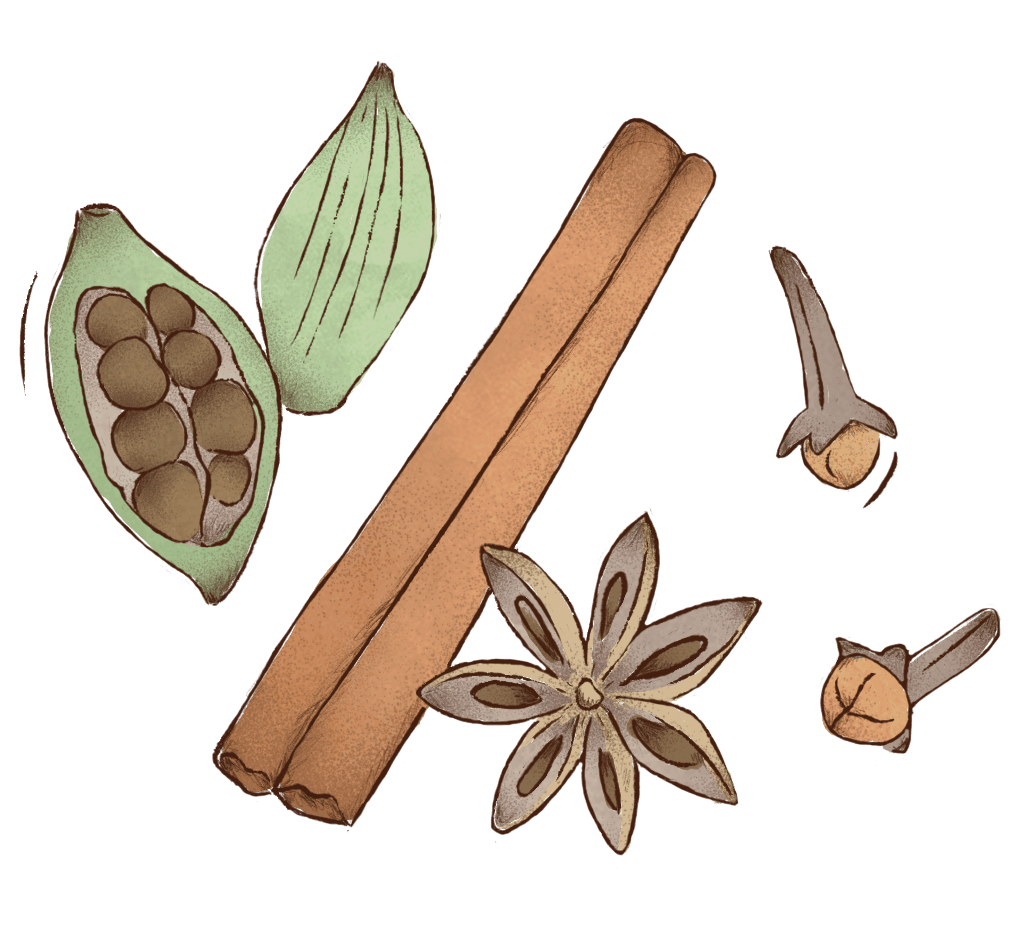
Cinnamon, cassia, and saffron were expensive oriental ingredients used alone or combined with other fragrances.
Usage In DaIly LIfe
In antiquity, scents served many purposes, from personal attraction to social events, celebrations, ceremonies, and funerals.
According to Pliny, saffron mixed with water was sprinkled over audiences in Roman theatres, filling the space with fragrance.
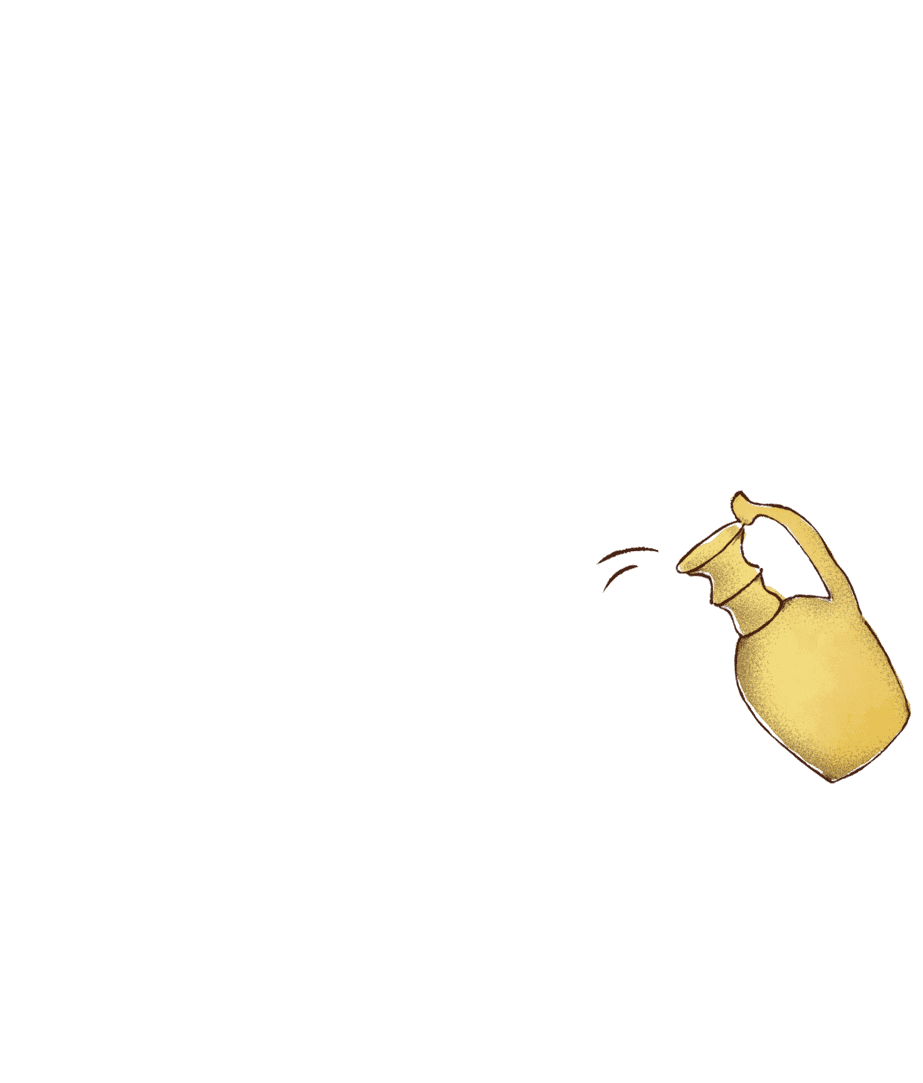
At the games held by Antiochus IV in Daphne, 200 women sprinkled perfumes over the crowd from golden pitchers.
17th century court etiquette at Versailles required a different scent to be worn each day of the week.
Modern Methods
Jabir ibn Hayyan developed distillation and the alembic system in the 8th century.
Al-Kindi wrote "The Chemistry
of Perfume and Distillations" in the 9th century, describing over 100 recipes for different fragrances and
perfume-making methods.
Eau de Cologne emerged as a popular fragrance in the 18th century.
Created in Cologne with citrus and herbal essences, it spread across Europe and was famously favored by Napoleon.
Eau de Cologne (EDC)
later became a category of lighter fragrances.
Drag the flower to see how perfumes are classified by concentration.
In the 20th century, new concentrations such as Eau de Toilette (EDT) and Eau
de Parfum (EDP) emerged, offering different levels of fragrance intensity and longevity.
Brought to you by:
DISTILLATION
Eau de Cologne


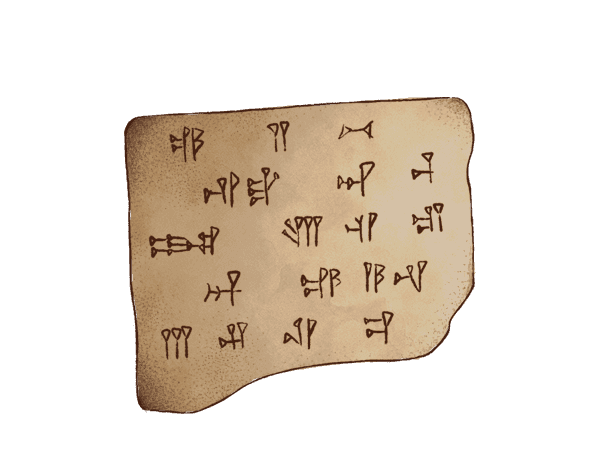
Her perfumes were made for the royal court, described as “fit for the king”.
The oldest known perfumer was a woman named Tapputi, which we know from an Assyrian clay tablet dates back to around 1200 BCE.
...wrote Theophrastus in “On Odors” around 300 BCE.
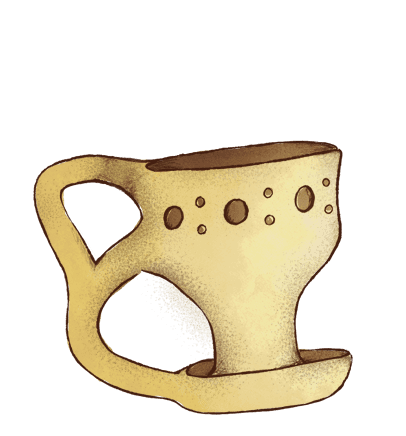
Since perfumes were mostly made from edible aromatic ingredients, they could also be consumed with wine.
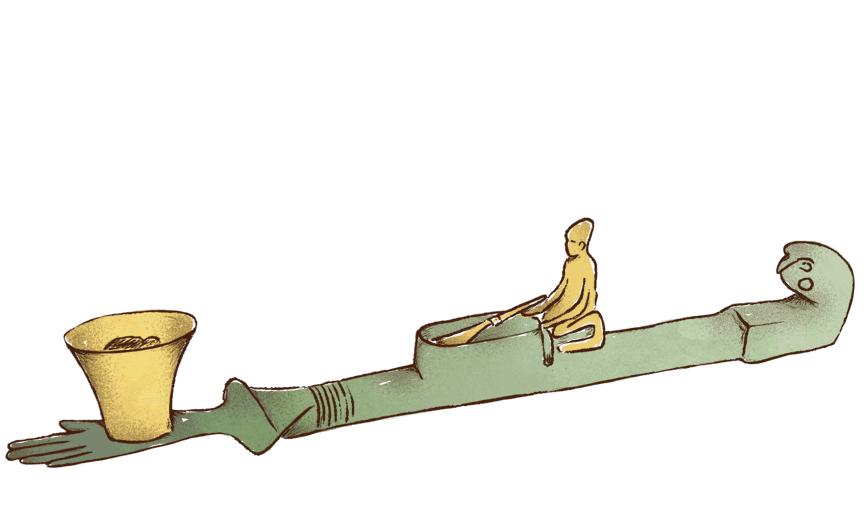
Kyphi, the most famous ancient Egyptian incense, a blend of 16 ingredients, was offered to the sun god Ra every evening at sunset.
In ancient Rome and Greece, sacred statues were also anointed with perfume.
Centuries later, around 330 BCE, Darius III, King of Persia, employed 14 perfumers and 46 garland makers at his court.
The Marquess of Donghun is known for decorating his favorite concubine's room with golden lotus flowers and coating its walls with musk at the
end of the 5th century CE.
"Wine in perfume makes it more fragrant."
"Perfume in wine makes it sweeter."




















Eau de Cologne
EDC
Fragrance Oil: 2-8%